

I have previously written here about my health journey, as I became sicker with chronic illness, waited almost three years for surgery, and experienced our health care system in crisis.
I am now almost four months post-surgery. This surgery and subsequent physiotherapy successfully addressed one piece of my disability.
I have not needed to use my beloved walker (named Francesca) now for about six weeks.
I have also been able to cut down on using my cane.
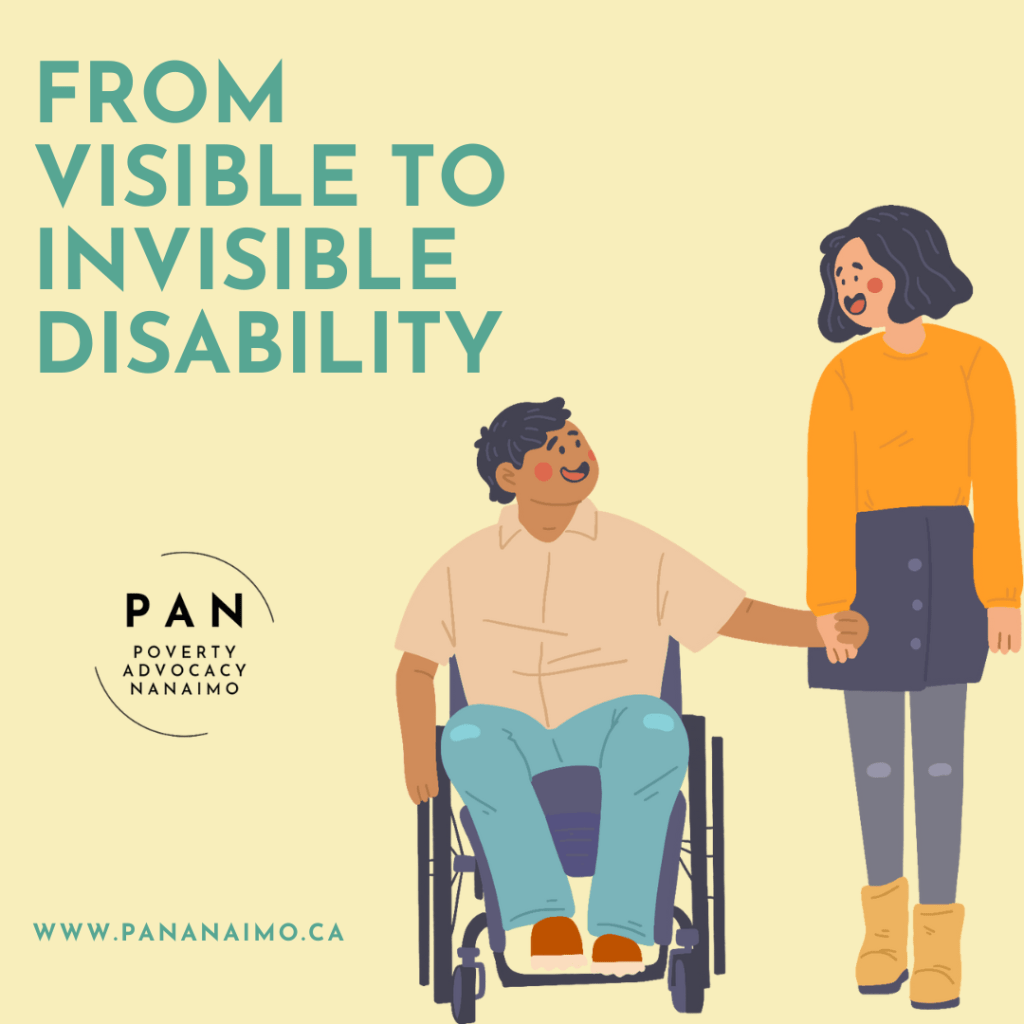
Now, I am facing life with invisible disability, which can be a challenge too. I love that I can move my body more efficiently. However, I still struggle to stand for long periods, to sit in most chairs, and to walk longer distances. I have permanent nerve and bone damage. I need to rest frequently to manage my chronic pain.
I appear “normal” now. Without my mobility aids, there is an expectation that I am “fixed”. I still need a handicapped parking pass for my car, but now I get dirty looks from strangers when I use it. I can often walk my dog without my cane now. However, my neighbors don’t know that every time they see me on those walks, I plan it around my medication schedule so that the walk happens as soon as strong painkillers kick in.
I think I am writing this to help me to work through how I feel about these changes. It has been an unexpected challenge on this journey to mentally process moving into the invisible disability camp.
Another goal is to gently remind the wider world that disability comes in many forms. If you see someone who “looks” able-bodied, it doesn’t always mean that we are.
 Poverty Advocacy Nanaimo