

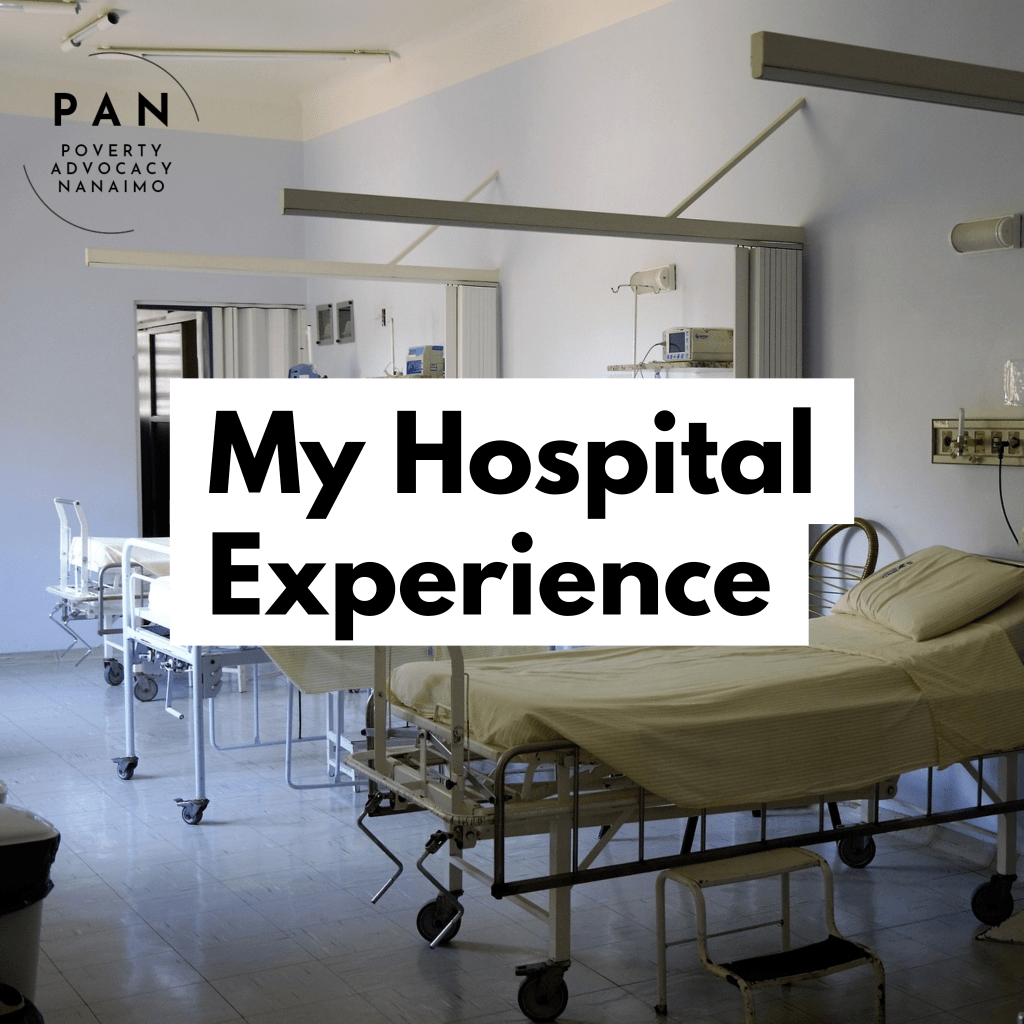
The current challenges in our healthcare system are front and center in the media. I was already personally well aware of the backlogs when I waited two and a half years to see a neurosurgeon. I finally met with my neurosurgeon at the end of February, and once he saw me in person, he quickly arranged a surgical date on March 15th at Victoria General Hospital.
My hope was that once I was at the hospital having my surgery that things would go smoothly, and I would not be impacted by staff shortages. Sadly, that was not the case. To be clear, EVERY staff member that I interacted with was kind, hard working, and dedicated. However, they were often tired and overwhelmed.
My care was affected negatively by staff shortages in three ways.
1. Room backlogs: Post surgery, I was taken to the recovery room. Generally, patients spend 60 to 90 minutes there, and once stable, they are moved on to a bed either in day surgery or to their room. I was supposed to go to a room on the neuroscience floor. However, even though my room was empty, there were not enough staff to clean it. I ended up waiting in recovery for four hours until the room was ready for me. The nurses in the recovery room told me that this kind of delay has become a standard thing. Sometimes, things are backed up so far that people coming out of surgery are left to wake up on the surgical floor because the recovery room is too full. For the first time ever, the recovery room now sometimes has patients stay overnight because there is no bed for them to go to. Because of this delay, I missed evening meal service and was left starving, having fasted since the previous night. Finally, around 3am, a nurse was able to get me some cheese, crackers, and yogurt.
2. Medications: Previous to surgery, I completed a detailed intake process where I shared about every medication that I am on. I was assured that the hospital would have all of my necessary medications prepared for me and that I didn’t need to bring my own pills. I ended up throwing my pill organizer into my bag, just in case. Thank goodness I did, because when I finally got to my room post-surgery and asked for my evening meds, I was told that the pharmacy was running behind, and I wouldn’t have them until the next day. I take several medications that have to be taken daily, sometimes three times daily. The nurse was relieved to see that I had my own meds, and we agreed that I would take them that night. The next morning, I asked for my morning meds and was told that the pharmacy still hadn’t sent them up. Again, I took my own pills. The medications from the pharmacy didn’t show up until just before I was discharged.
3. Discharge: My (absolutely lovely) day nurse was a travel/contract nurse, and that was her first day working on the neuroscience floor. Travel nurses have become a much more common practice. They are nurses who have left regular salaried work with the health regions, and instead take contract positions that are much more flexible and highly paid. These nurses fill in the many gaps in our system. The issue I encountered was that this nurse wasn’t experienced with the practices on that floor or with my specific surgeon. She only had time to glance quickly at my chart. My neurosurgeon wanted my dressings changed in a very specific way, and she didn’t catch that. She was about to change my bandages in the “normal” way when one of the other nurses on the floor caught her and thankfully filled her in. Then, we were waiting and waiting to hear from my doctor if I was going to be discharged that day. I stayed well into the afternoon. My own nurse went on break, and I spoke to another nurse who looked at my chart, and the doctor had said to follow his usual practice and discharge me if I was stable. So, I took up a bed for several hours longer than necessary due to this oversight.
My room was right beside the nursing station, and I listened to the staff discuss the coming evening shift. Instead of the three health care aides they needed, they would only have one on the floor that night.
Big picture, my surgery was completed, and I am home and healing well. I am grateful to every medical professional who supported me and for free universal healthcare. However, this glimpse into the understaffed challenge that is our medical system worries me. I completely believe the dramatic stories coming out in the media of people left on stretchers in the ER for days. I believe reports of medication mistakes and staff errors. Our system needs to be fixed.
 Poverty Advocacy Nanaimo